Seoul · trusted by real reviews
Best hair transplant clinics in Seoul
Moving hair follicles from a donor area (usually the back of the scalp) to thinning or receding areas — FUE (follicular unit extraction) or DHI. Korea is a major destination for hairline and density restoration.
Typical cost (Seoul)
$2,000–$7,000
Priced per graft or as a session package; larger sessions (2,500+ grafts) and DHI cost more than smaller FUE sessions.
Recovery
Scabbing resolves in ~1–2 weeks; transplanted hair sheds and regrows over 3–6 months; full result at 12–18 months.
Common types
- · FUE (follicular unit extraction)
- · DHI (direct hair implantation)
- · Hairline design/lowering
- · Density/scar repair sessions
Prices are typical Seoul ranges and vary widely by clinic and technique — always confirm with a quote.
Most trusted clinics
How to choose your hair transplant clinic
- ✓Ask the graft count the quote covers, not just a flat price.
- ✓Look for reviews with 6-12 month regrowth photos, not just post-op day photos.
Planning a beauty trip?
Everything you need before you fly
Tax refund (VAT) on cosmetic surgery in Korea for foreigners
Foreign patients can get a VAT refund on many cosmetic procedures at registered clinics — here's how it works.
Read guide →Do you need a visa for cosmetic surgery in Korea?
Short cosmetic-surgery trips usually don't need a special visa — here's what to check by stay length.
Read guide →How many days do you need for surgery in Korea?
Plan your trip length around consultation, surgery, stitch removal, and safe-to-fly recovery.
Read guide →
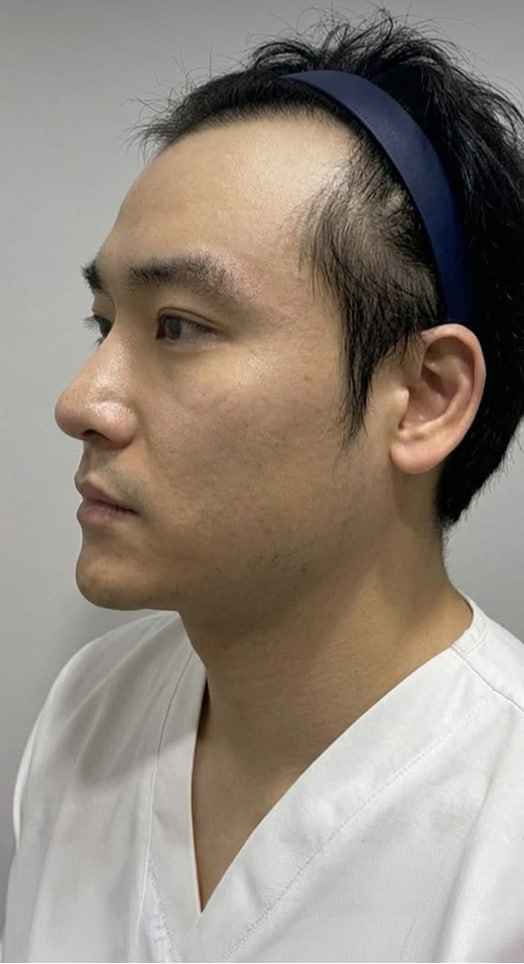
Not sure which hair transplant clinic is right for you?
Ask our AI anything — it reads thousands of real, ad-filtered Korean reviews and answers in your language.
Frequently asked
- How much does a hair transplant cost in Seoul?
- Hair transplants in Seoul typically cost about $2,000–7,000 USD depending on graft count and method (FUE vs. DHI), often quoted per graft.
- How do you rank hair transplant clinics in Seoul?
- We rank clinics by a trust score built from genuine, ad-filtered patient reviews, review volume, and verification signals — not advertising.